Campfire Safety and Fire Ecology in the UK: A Gentle Guide to Fire in the Wild
By Manse, at Wilderness Pioneers, a UK bushcraft and wilderness skills school. Last updated: 4th November 2026
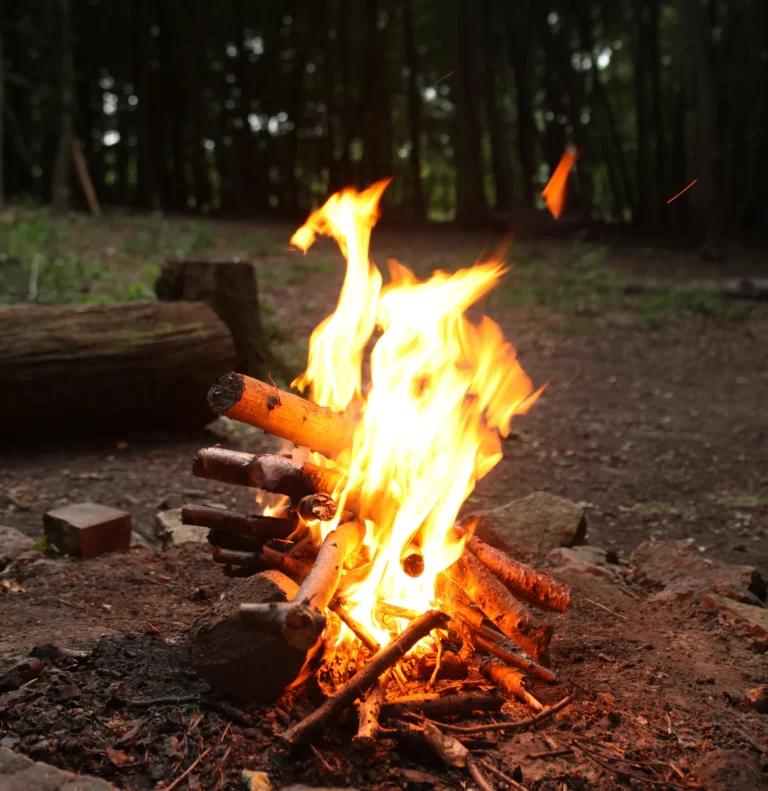
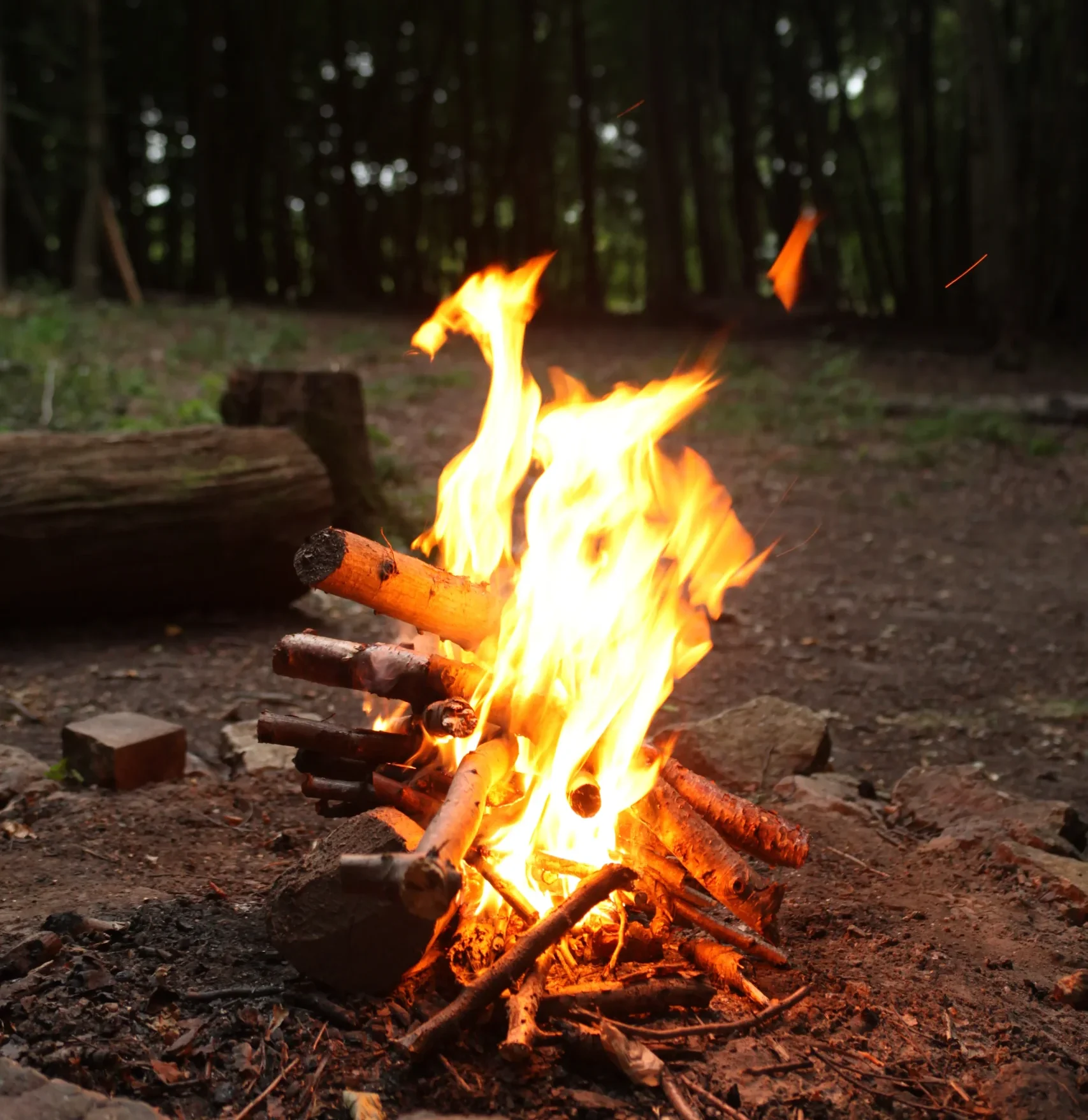
A small, safe campfire burning in a UK woodland clearing at dusk
There’s a reason people have gathered around fires for hundreds of thousands of years. The warmth, the glow and the gentle crackle of burning wood settle something deep inside us. But fire is also powerful, and in the British countryside it deserves real respect.
In short, to enjoy an outdoor fire safely in the UK, get permission first, choose a sheltered spot clear of anything flammable, keep your fire small, keep water close, never leave it unattended, and make sure it’s completely cold before you leave. Beyond safety, fire is also a natural force that has shaped Britain’s heaths, moors and woodlands for thousands of years, and understanding that helps us treat it with the care it deserves.
At Wilderness Pioneers, we teach bushcraft and wilderness skills, and fire is at the heart of much of what we do. This guide brings together the basics of both safety and ecology, in a way we hope feels friendly and easy to follow.
Why Does Fire Safety Matter in the British Countryside
Britain’s damp climate can make us feel as though wildfire
is someone else’s problem, but that is changing. Hotter, drier spells in recent
summers have led to larger wildfires across the UK, and even autumn leaf litter and dry grass can burn readily after a dry spell. Most wildfires here are
started by people, whether through discarded barbecues, careless campfires or fires that weren’t fully put out. A small fire left glowing can flare up hours later when the wind picks up.
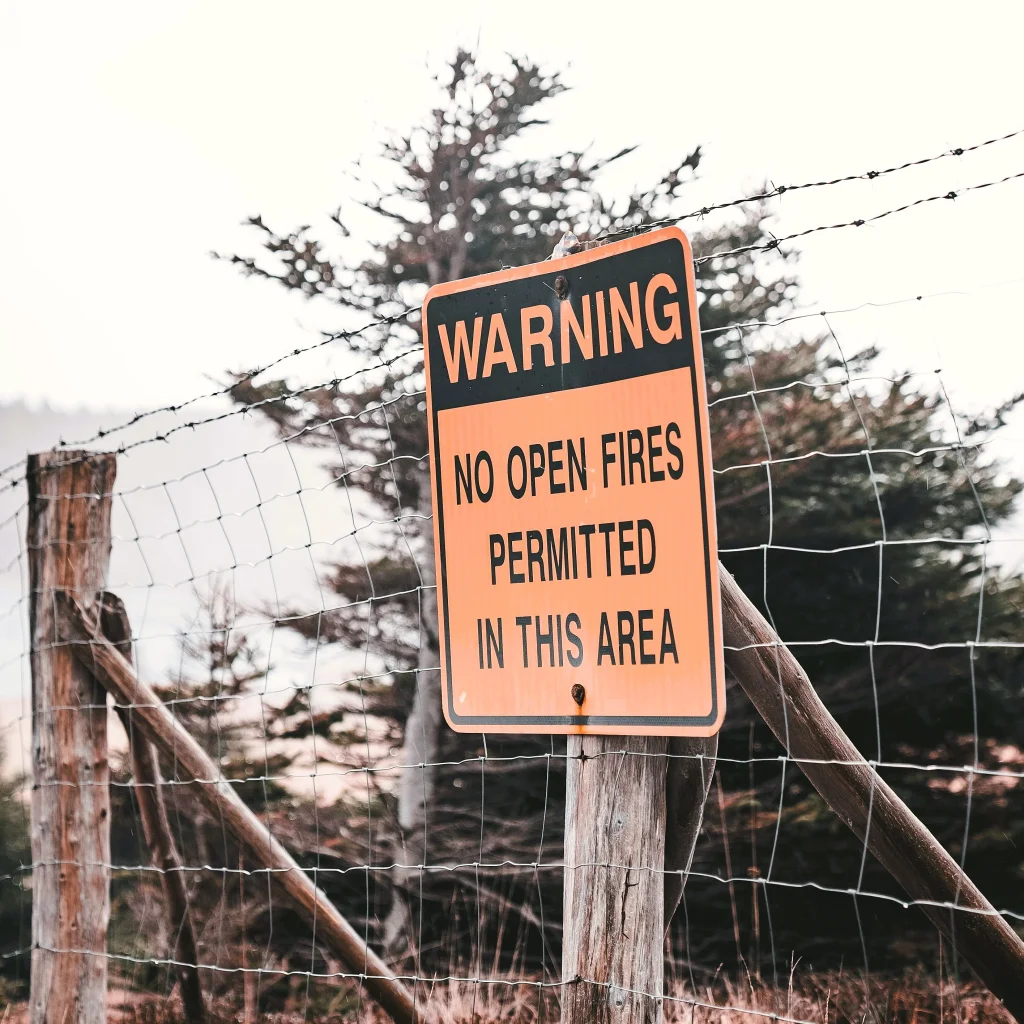
That’s why the first rule of outdoor fire is simple: check whether you’re allowed to light one at all. In England and Wales you generally need the landowner’s permission, and many woods, nature reserves, National Parks and areas of open access land have rules or bylaws against open fires. In Scotland, the Scottish Outdoor Access Code asks people to avoid lighting fires in sensitive or dry places and to use a stove where possible. If you’re in any doubt, a camping stove is the safest and most considerate choice, and any good bushcrafter is happy to use one.
How Do You Choose a Safe Spot for an Outdoor Fire?
Choosing your site is the most important decision you’ll make. Look for level, sheltered ground away from overhanging branches, tents, dry grass, bracken and fallen leaves. Check the wind direction too, because sparks travel further than you might expect. Never light a fire on peat or in dry heather, bracken or gorse. Peat can smoulder underground for days or even
weeks and re-emerge long after you’ve gone home. Avoid tree roots as well, as fire can travel along them unseen.
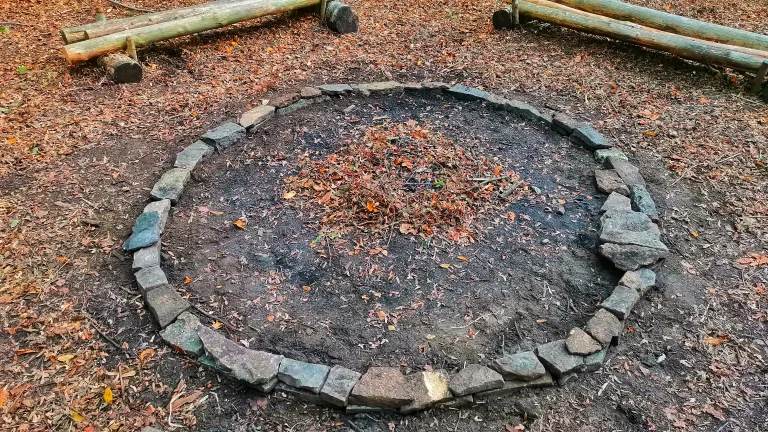
Once you’ve picked your spot, clear a circle down to bare mineral soil, removing leaves, twigs and moss. In sensitive areas, a fire pan or a raised fire platform protects the ground beneath and helps you leave no trace. A ring of stones can help contain the fire, but avoid wet river stones, which can crack or even burst when heated because trapped moisture turns to steam.
How Do You Build and Manage a Fire Responsibly?
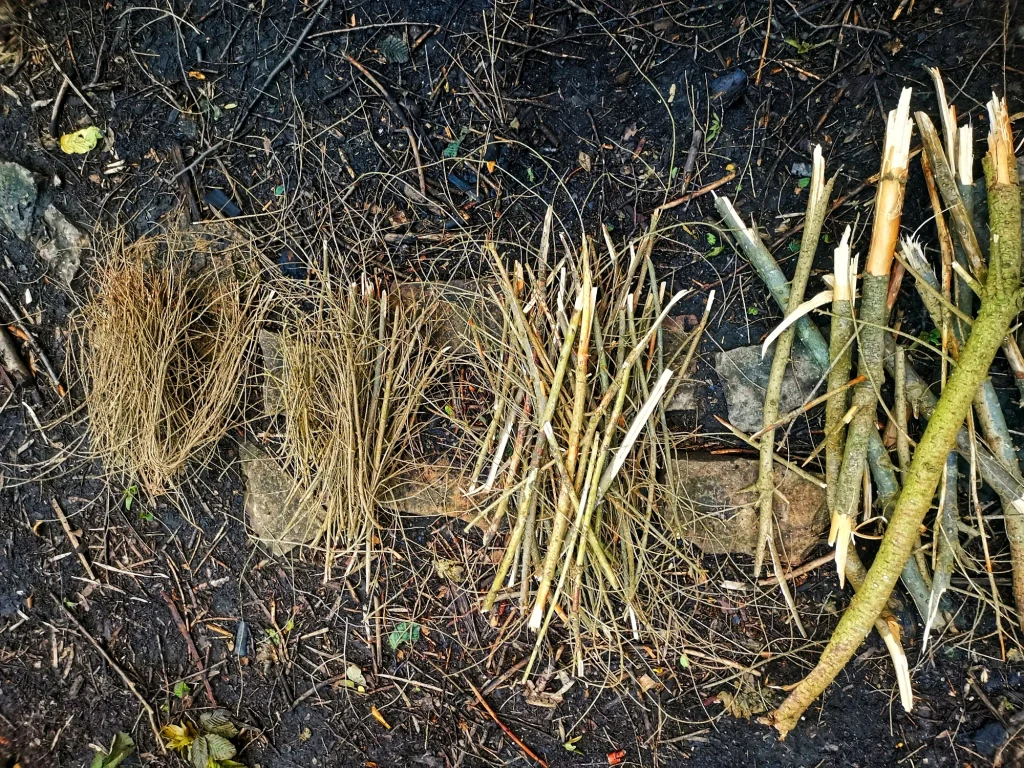
A good fire is small, controlled and well attended. It helps to understand the fire triangle: fire needs heat, fuel and oxygen, and if you take away any one of them, it goes out. Begin with dry tinder and kindling, then add progressively thicker sticks, using dead dry wood gathered from the ground or standing deadwood. Please don’t cut living trees, which harms the woodland and burns poorly anyway. Never use petrol, lighter fluid or other accelerants, and don’t burn plastics or treated or painted wood, as they release harmful fumes.
Keep a bucket or bottle of water within arm’s reach, and keep your fire only as large as you need. A smaller fire still gives you plenty of warmth and cooking power, uses less wood and is far easier to put out. Keep children and pets at a respectful distance, tie back long hair and loose clothing, and remember that synthetic fabrics can melt and stick to skin, so natural fibres like wool and cotton are a better choice beside a fire. If someone is burned, cool the burn under cool running water for twenty minutes and seek medical advice if needed.
One more important point: never use a fire or burning charcoal inside a tent, shelter or other enclosed space. Carbon monoxide has no smell and can be deadly. And if a fire ever gets out of control, move everyone to safety and call 999, asking for the fire and rescue service.
How Do You Put Out a Campfire Properly?
Putting a fire out properly matters just as much as lighting it well. Let the wood burn down to ash where you can, then pour water slowly over the embers, listening for the hiss. Stir and poke holes into the ashes with a stick so the water reaches the hot spots underneath, and keep adding water until the hissing stops. Then hold the back of your hand just above the ashes to check for any warmth. If you can feel heat, it isn’t out yet. Water, stir, feel: it’s a little rhyme worth remembering.
Never bury a fire, because buried embers can keep smouldering. Once everything is completely cold, scatter the ashes widely, pack out all your rubbish, and leave the site looking as though you were never there.
A Note on Bonfire Night and Garden Fires
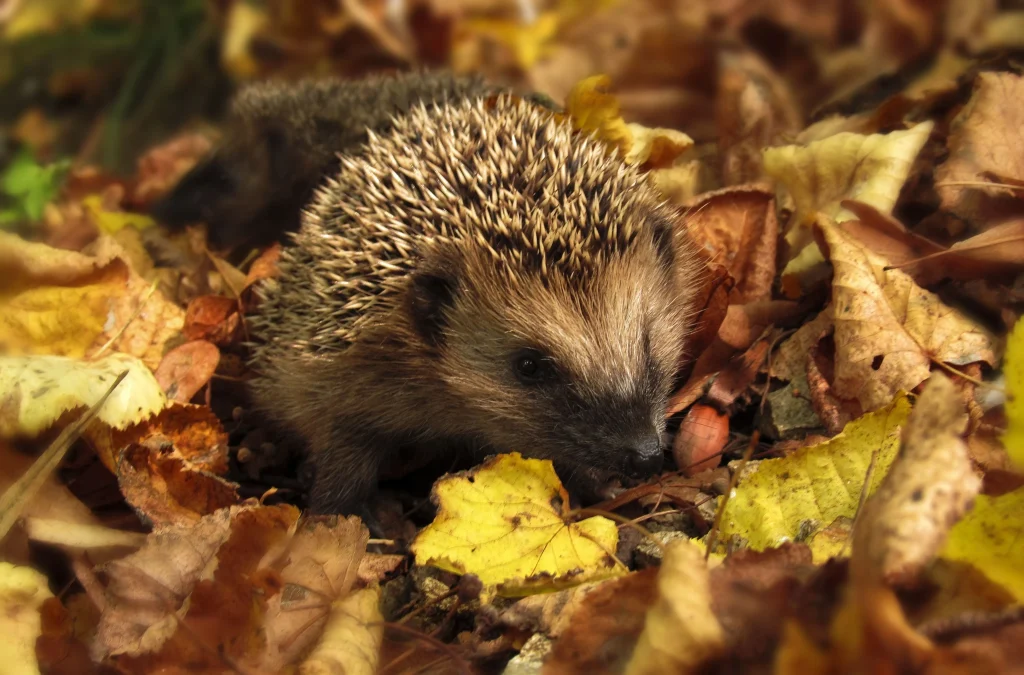
If you’re planning a garden bonfire this month, there’s one extra kindness worth adding. Hedgehogs, now classed as vulnerable to extinction in Britain, often look for cosy places to hibernate in autumn, and a stacked pile of leaves and branches is very appealing. Build your bonfire on the day, or move the pile to a new spot before lighting, checking carefully underneath with a torch. A few minutes of care can save a life.
If you would like more information on how you can help hedgehogs, please visit Hedgehog Street.
What is Fire Ecology?
Fire ecology is the study of how fire affects living things and the landscapes they inhabit, and how plants, animals and fungi respond to it. In parts of the world such as Australia, North America and the Mediterranean, fire is a regular natural event, and many species are adapted to it. Britain’s damp climate means natural wildfires, started by lightning, are comparatively rare. But that doesn’t mean fire has been absent from our story.
How Has Fire Shaped the British Landscape?
People have used fire in Britain for thousands of years. Evidence suggests that Mesolithic hunter-gatherers used fire to manage vegetation, opening up woodland edges and encouraging fresh growth that attracted game. Later, farmers burned heath and scrub to keep land open for grazing, and charcoal burners worked in coppiced woodlands, helping to create the patchwork of habitats that many species came to depend on.
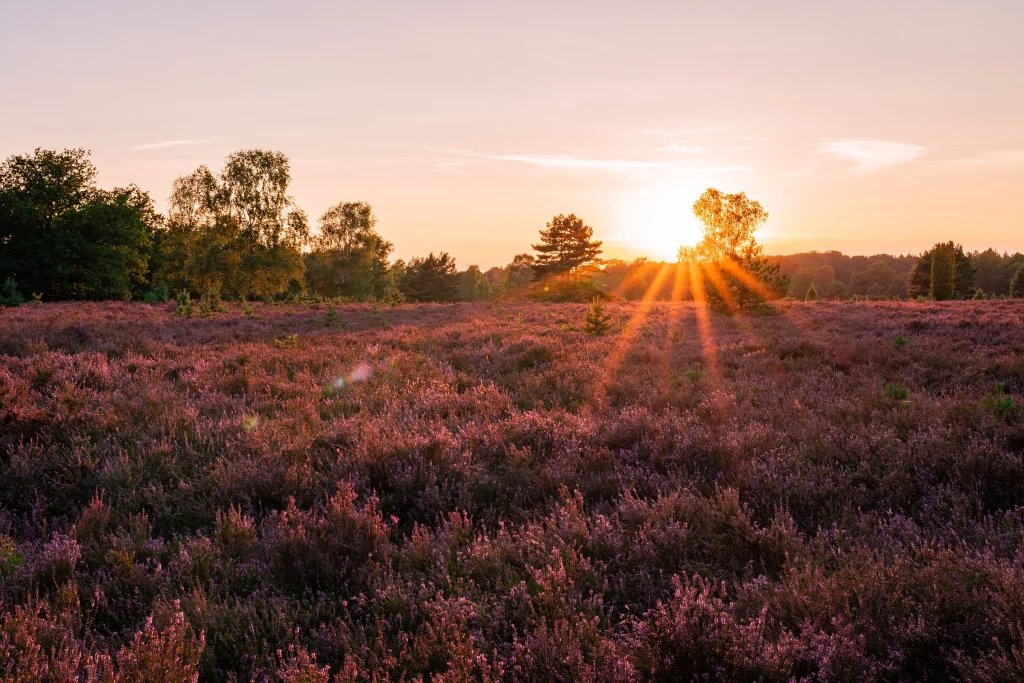
Today, burning is still used in some places as a management tool. Lowland heaths, upland heather moorland and some grasslands have been shaped over centuries by a mix of grazing, cutting and burning. Heather, for instance, can regrow from its base and from seed after a fire, and the fresh young shoots provide food for sheep, grouse and other wildlife.
It’s a subject that stirs strong opinions, however. Burning on peatland is controversial because of its impact on soil, water and stored carbon, and regulations now restrict it in some places. Many conservationists favour alternatives such as cutting and rewetting. It’s a good reminder that fire in nature isn’t simply good or bad. It depends on how, where and when it happens.
Which Plants and Animals Thrive After a Fire?
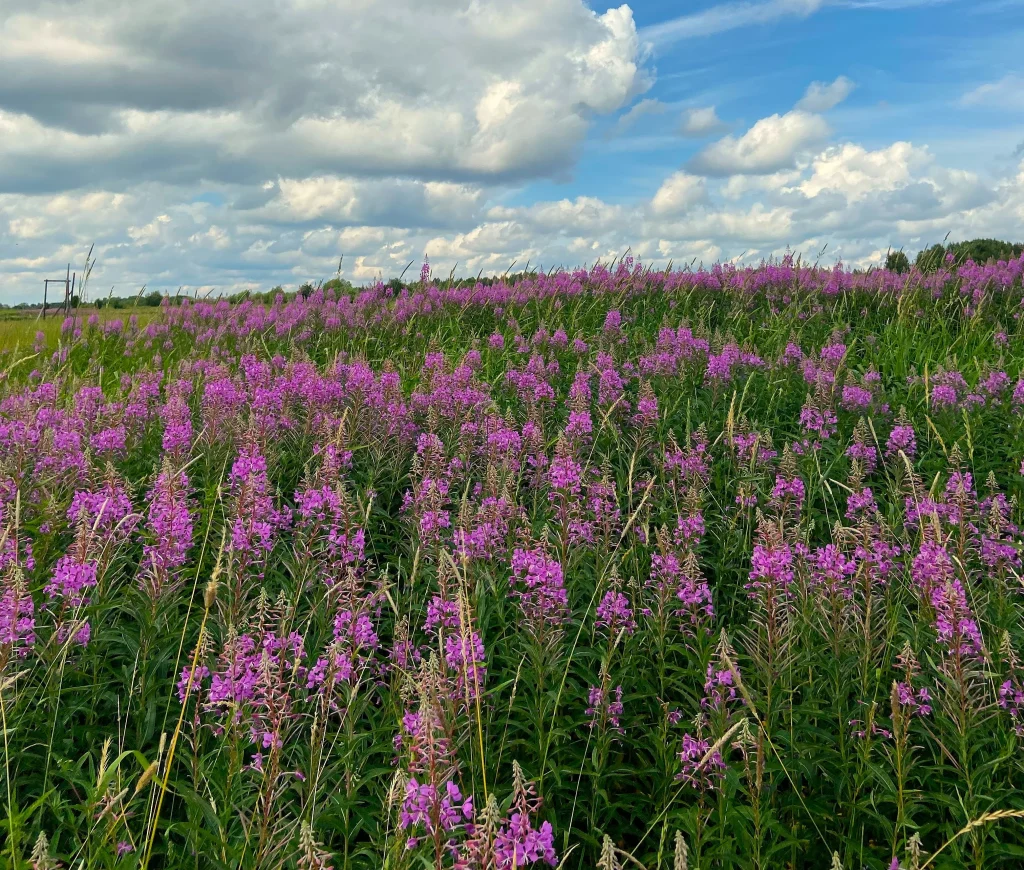
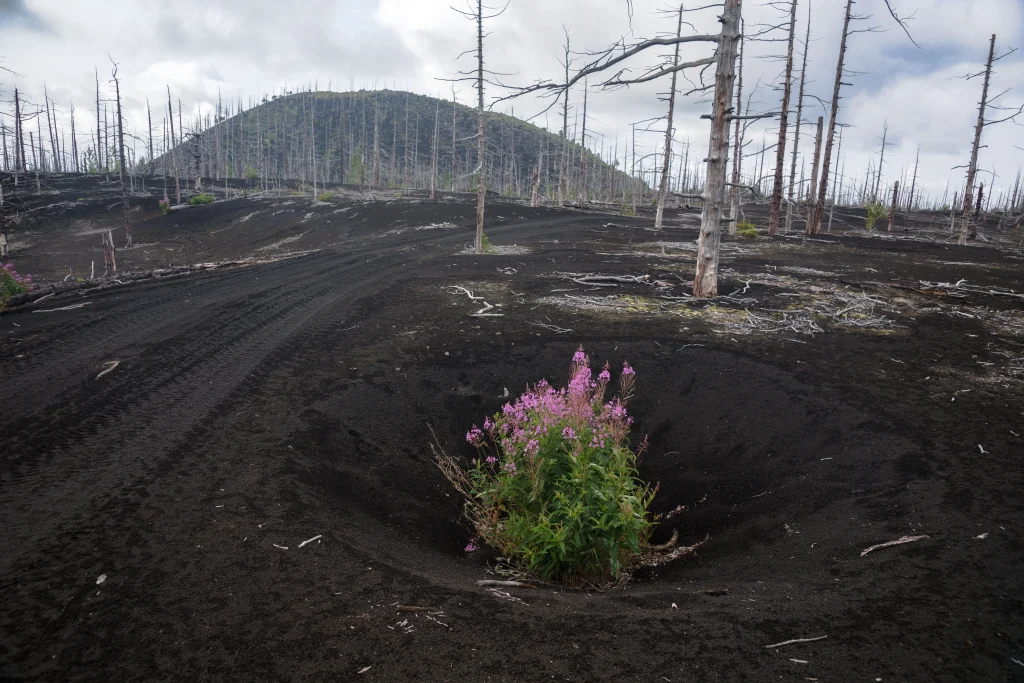
After a fire, nature responds, often quickly. Rosebay willowherb, with its tall pink spires of summer flowers, is one of Britain’s best-known pioneer plants on burnt ground. It earned the nickname fireweed after bursting into bloom across bombed sites in wartime London. Its fluffy seeds travel on the wind and settle on bare, ash-enriched soil. Gorse seeds can be triggered to germinate by heat, and heather seedlings often appear in the months afterwards. Some specialist fungi are found mainly on old fire sites, and insects, reptiles such as adders and common lizards, and some heathland birds can all benefit from the open, sunny habitats that small, patchy fires can create.
Can Fire also Harm Nature?
Of course it can. Uncontrolled wildfires, particularly in spring when birds are nesting and reptiles are emerging, can destroy habitats and kill wildlife. Peat fires release large amounts of stored carbon and can smoulder for a very long time, while intense burns can sterilise soil and take years to recover. With hotter, drier summers becoming more common, the risk is growing. That’s why responsible fire use matters so much: a campfire left to smoulder can be the start of something none of us want to see.
Frequently Asked Questions About Campfire Safety and Fire Ecology
Is it legal to have a campfire in the UK?
There’s no blanket ban, but in England and Wales you generally need the landowner’s permission, and many woods, reserves and National Parks prohibit open fires. In Scotland, the Scottish Outdoor Access Code asks people to take care and avoid sensitive or dry areas. Always check local rules and any fire restrictions, especially in dry weather.
How do you put out a campfire safely?
Let it burn down to ash, pour water slowly over the embers, poke holes into the ground with a pointed stick and stir, and repeat until the hissing stops. Then check with the back of your hand by touching the ashes to make sure that they are cold and fully extinguished. Never bury hot embers.
What is fire ecology?
Fire ecology is the study of how fire affects plants, animals, fungi and the landscapes they live in, including how species respond and recover afterwards.
Is it safe to light a fire on peat or heather?
No. Peat can smoulder underground for long periods and ignite again later, and dry heather burns fiercely. Choose a stove or a different location instead.
What should I do if a fire gets out of control?
Move everyone to safety and call 999, asking for the fire and rescue service. Do not put yourself at risk trying to fight it.
Final Thoughts
Fire invites us to slow down, gather together and pay attention. Used with care, it’s one of the most rewarding parts of spending time outdoors, and understanding its place in the wider landscape makes it all the more meaningful.
If you’d like to learn these skills hands-on, with an experienced instructor beside you, join us on one of our upcoming courses .